English / 日本語 / Français
What is Macro Photography?
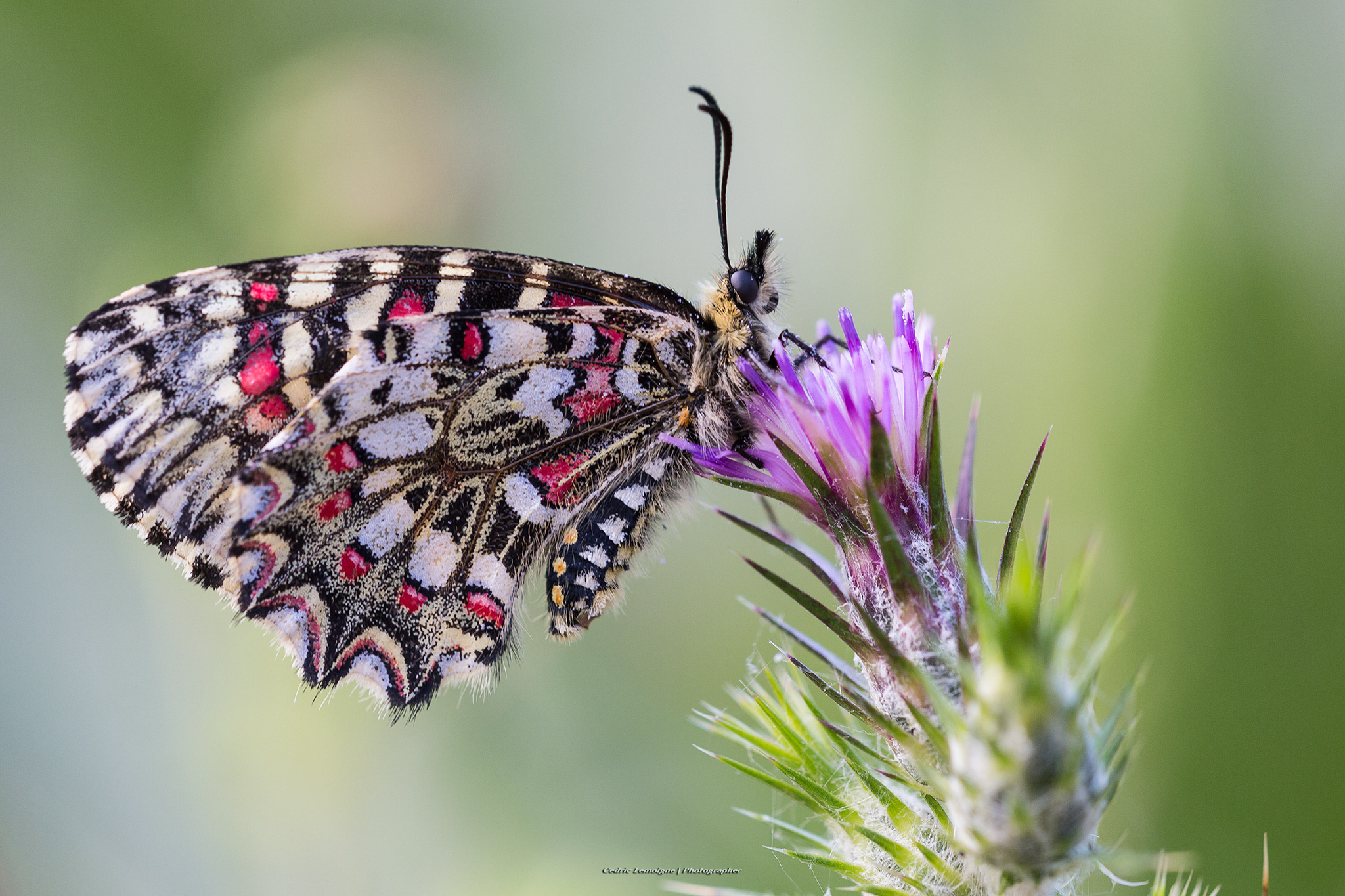
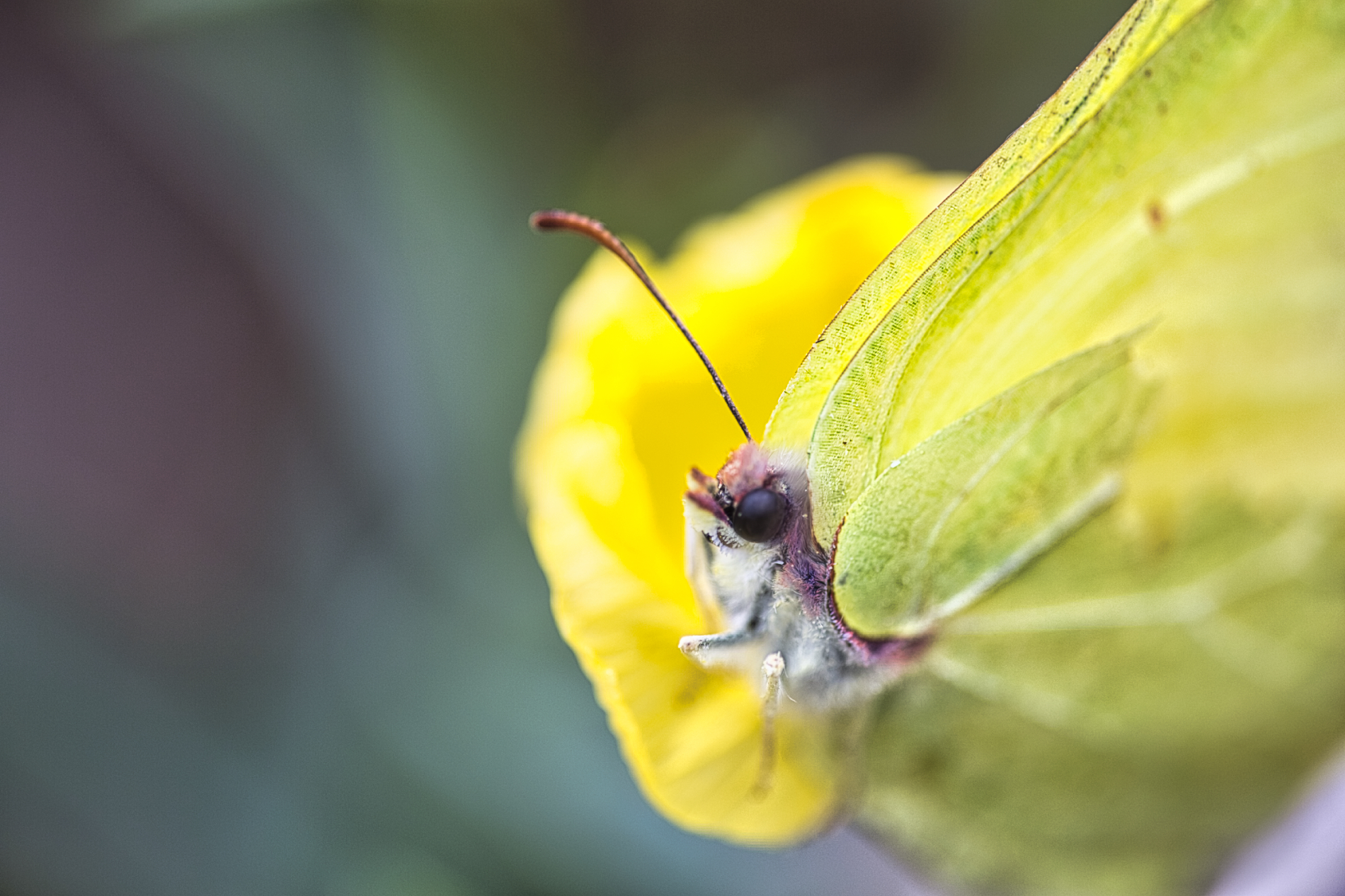
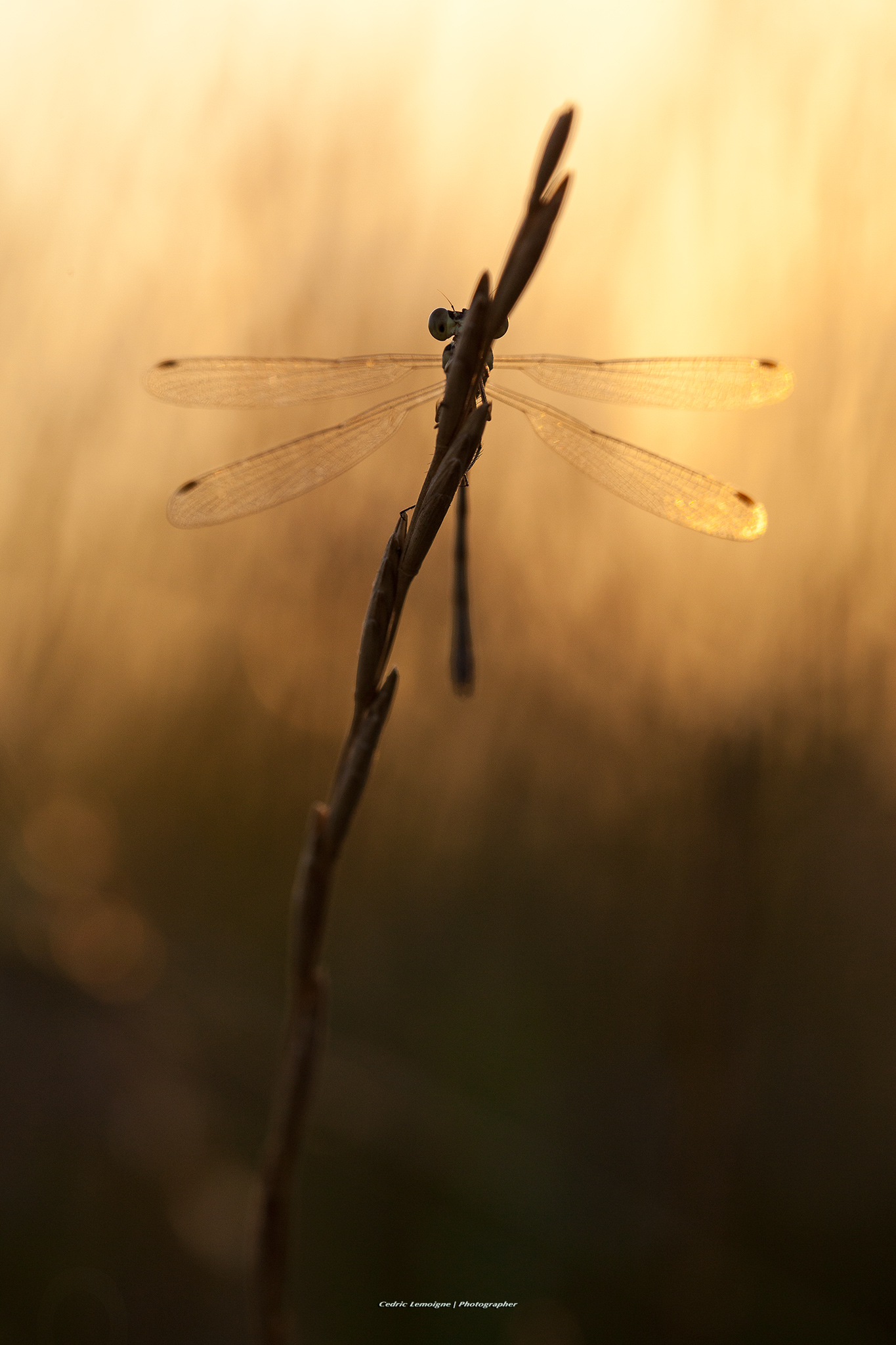
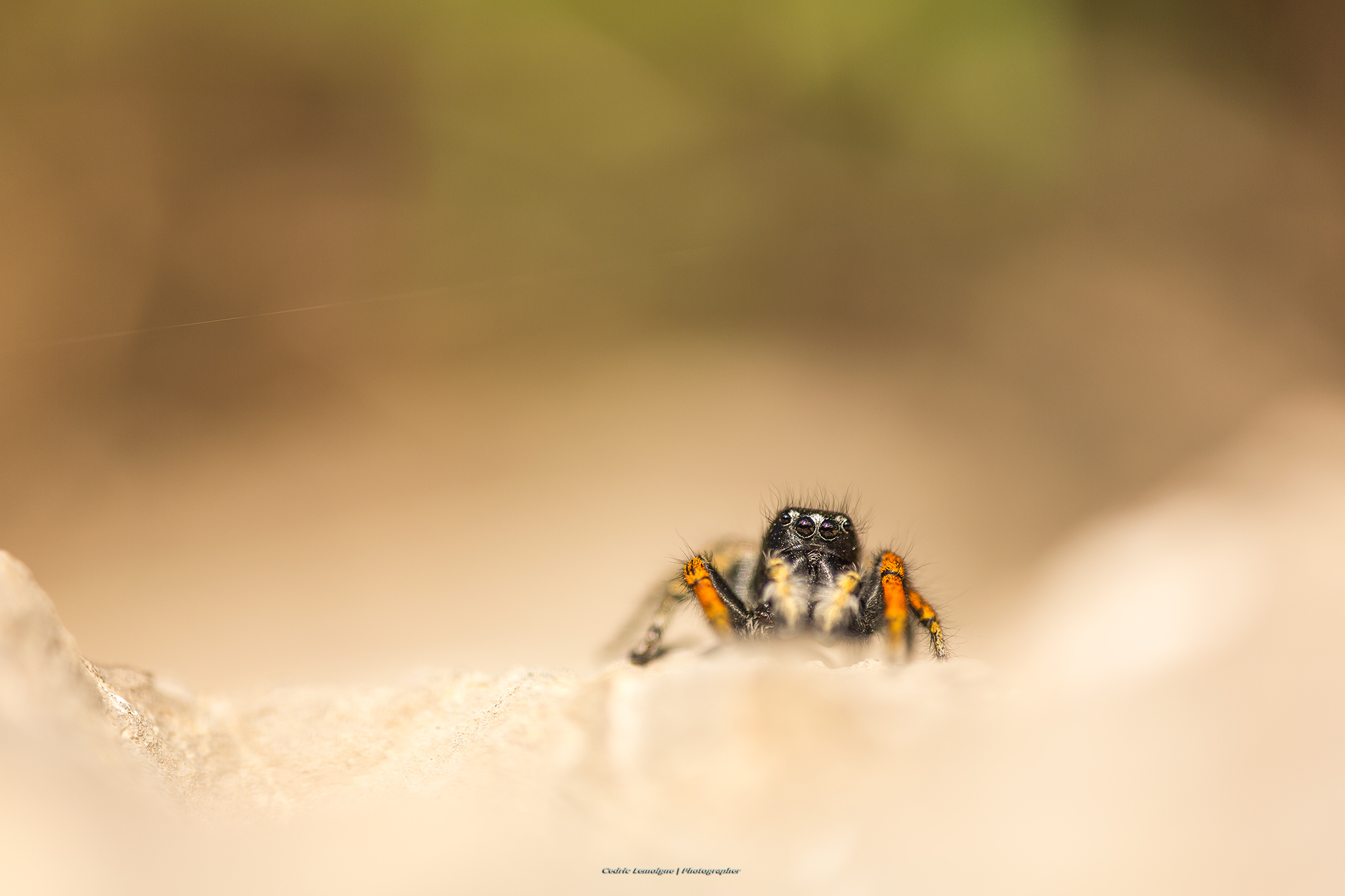
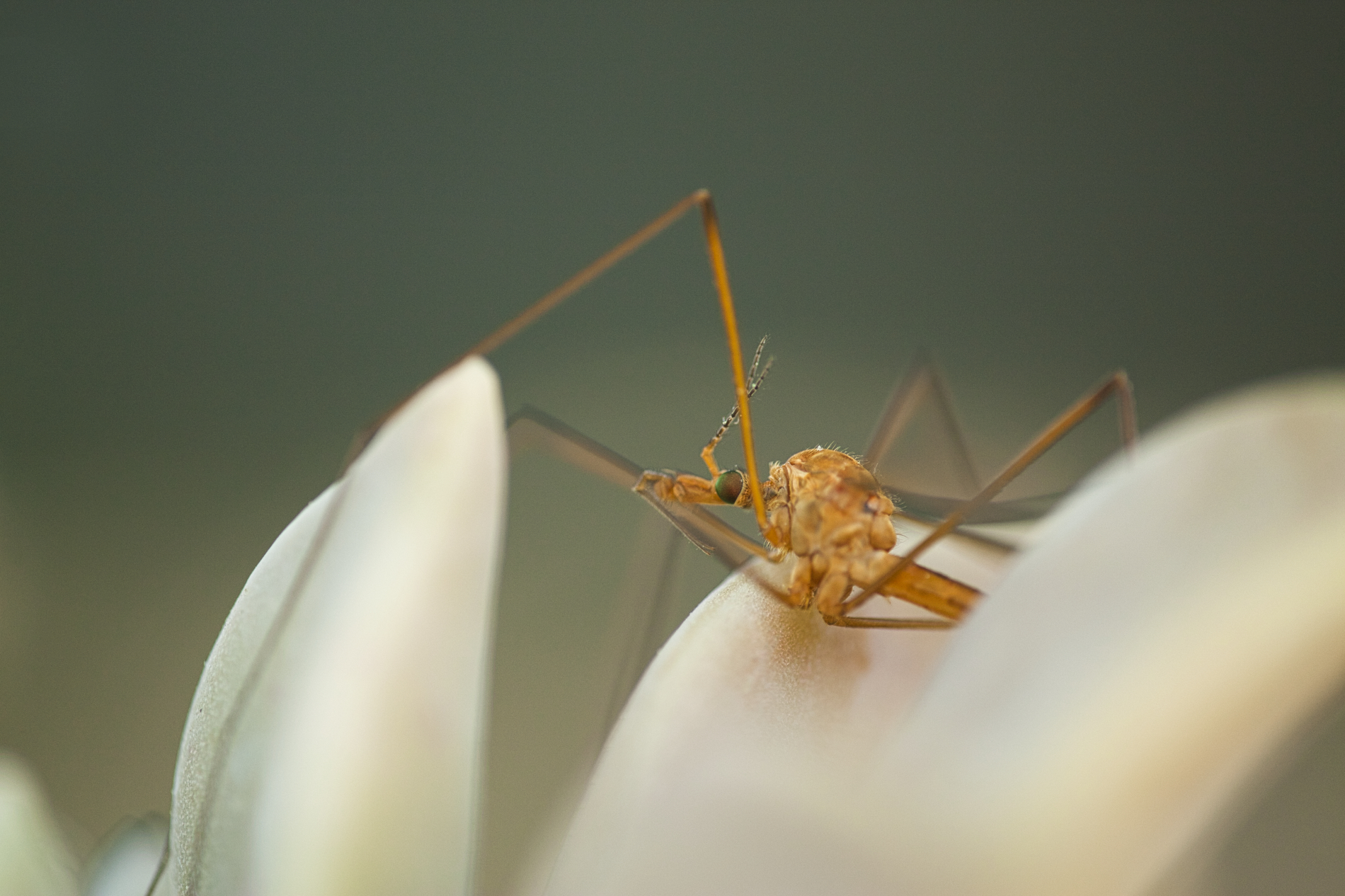
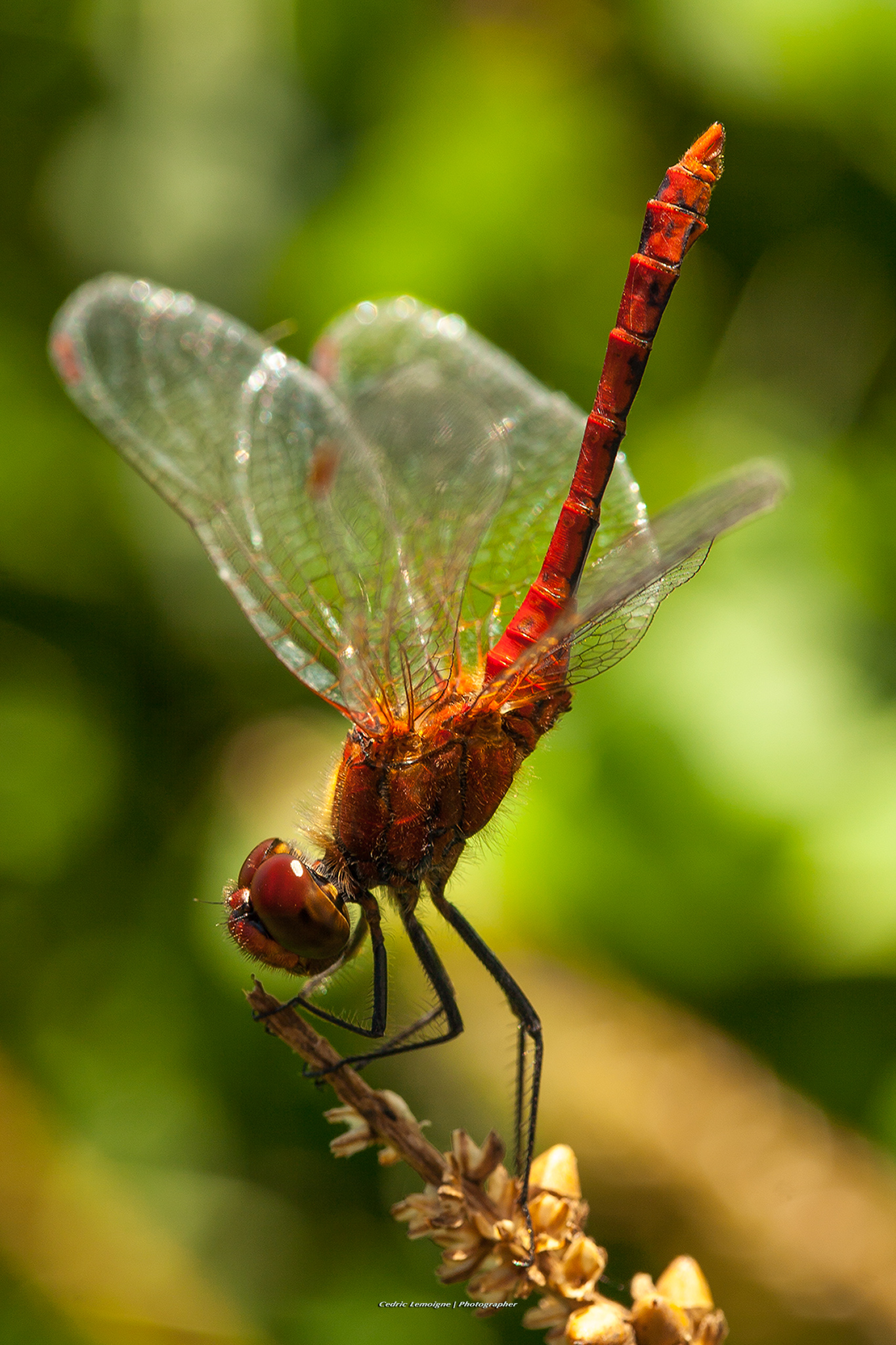
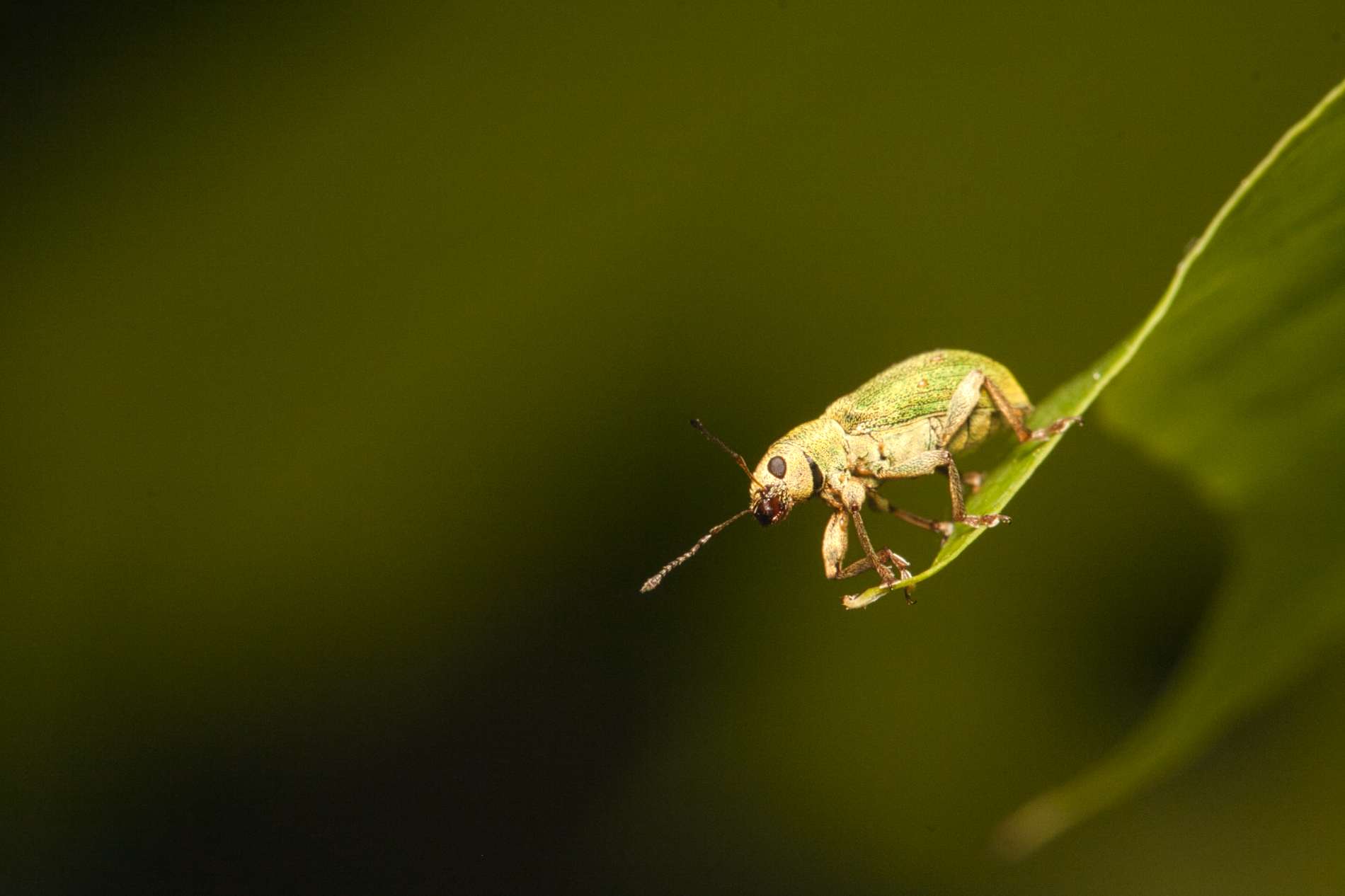
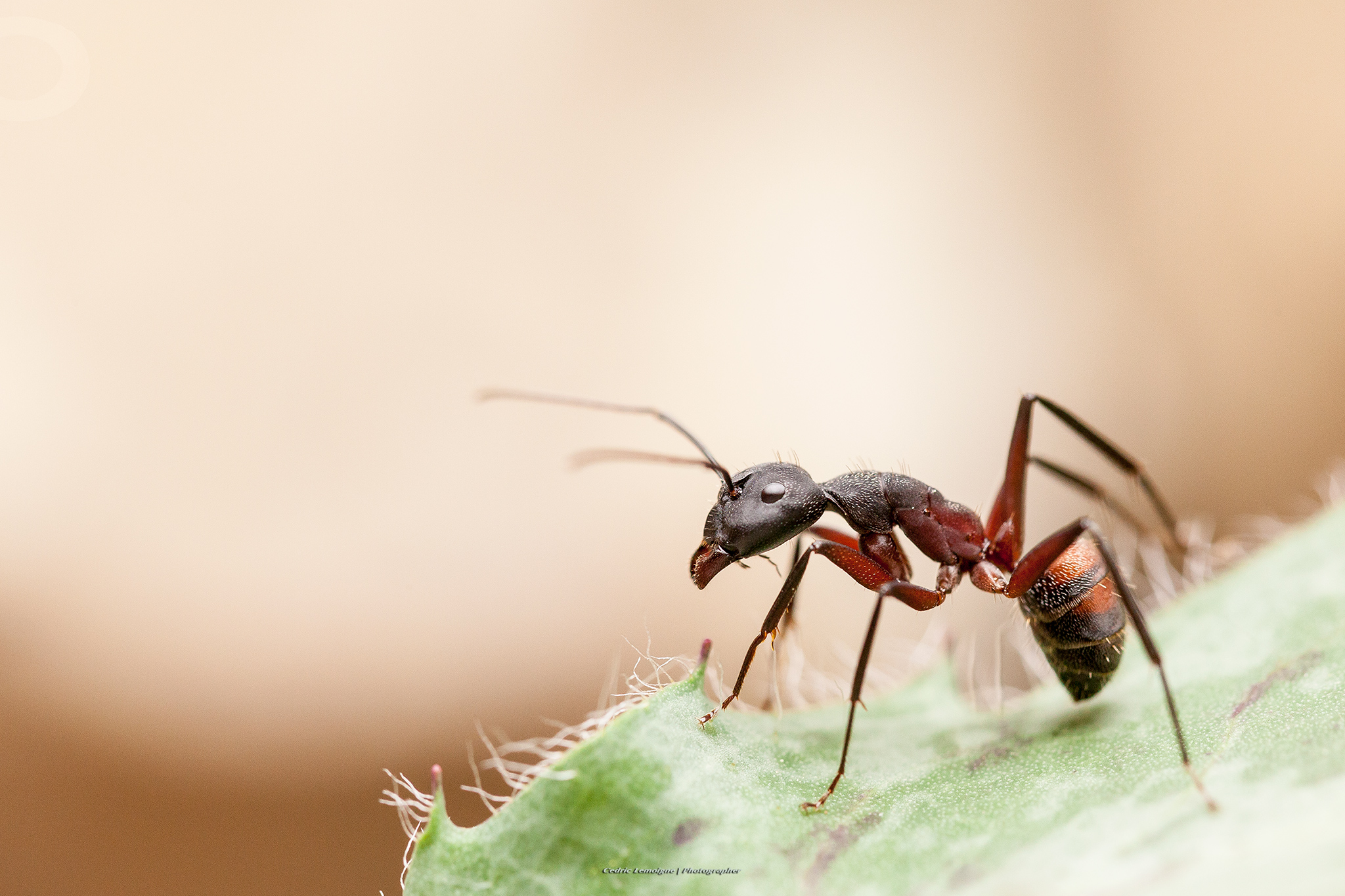
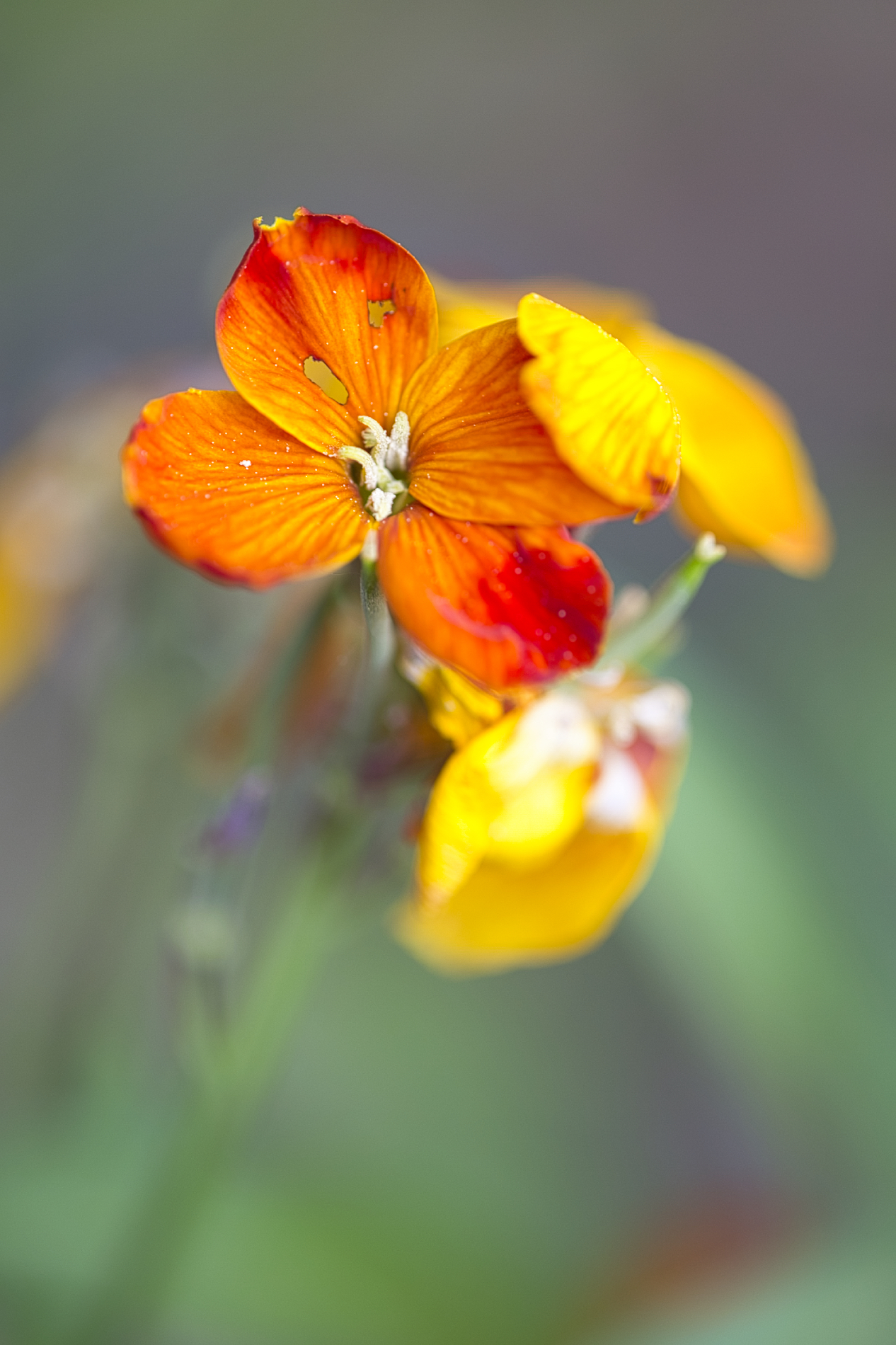
Macro photography is a style of photography that captures extremely small subjects in great detail. Subjects often include insects, flower details, water droplets, and textures—things that are hard or impossible to see clearly with the naked eye. Typically, macro photos are taken at a 1:1 magnification ratio or greater.
Why is it fascinating?
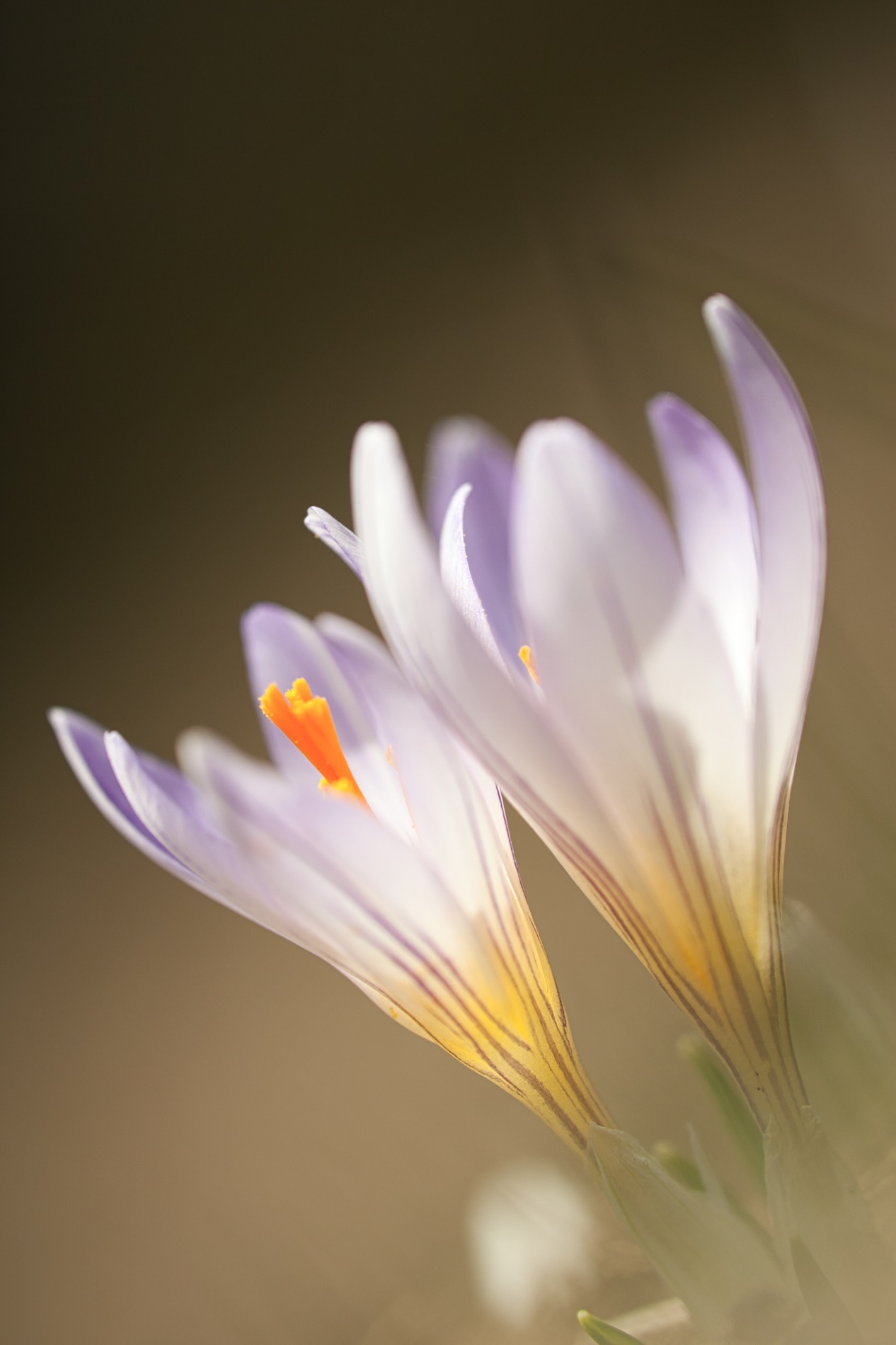
Macro photography reveals the beauty of hidden details and the wonder of the miniature world. The structure of an insect’s eye, the intricate patterns of a petal, or the surface of a leaf become mesmerizing works of art. It allows us to see a world that’s always been there—but just out of sight.
Tips for Good Macro Photography:
- Use a macro lens: True macro lenses offer the sharpness and magnification needed.
- Use a tripod: Even the slightest movement can blur the image.
- Control the light: Natural light is best, but diffused flashes or ring lights help when needed.
- Get close to the subject: Isolate it from the background and create a strong visual impact.
- Be patient and observant: Finding and photographing the perfect moment in the micro-world takes time.
マクロ写真とは何か?
マクロ写真は、非常に小さな被写体を大きく写す写真技法です。昆虫、花の細部、水滴、テクスチャーなど、肉眼では見えにくいミクロの世界を捉えることができます。通常、等倍(1:1)以上の拡大率で撮影された写真が「マクロ写真」と呼ばれます。
なぜ魅力的なのか?
マクロ写真は、普段は気づかない細部の美しさや自然界の驚異を見せてくれます。小さな昆虫の目の構造や、花弁の繊細な模様など、マクロでしか見られない世界が広がります。この「見えないものを可視化する」力が、多くの人を魅了します。
良いマクロ写真を撮るコツ:
- マクロレンズを使用する: 拡大率が高い専用レンズが最適です。
- 三脚を使う: 小さな動きもブレにつながるので、固定が重要です。
- 光をコントロールする: 自然光がベストですが、リングライトやディフューザーで調整すると良いです。
- 被写体に近づく: 背景をぼかして被写体を際立たせましょう。
- 忍耐と観察力: 小さな被写体を見つけ、ベストな瞬間を待つ忍耐が必要です。
Qu’est-ce que la macrophotographie ?
La macrophotographie est une technique qui consiste à photographier de très petits sujets à une échelle agrandie, souvent à un rapport 1:1 ou plus. Cela permet de capturer les détails invisibles à l’œil nu, comme les insectes, les textures florales, ou les gouttes d’eau.
Pourquoi est-elle fascinante ?
Elle révèle un univers caché, plein de merveilles et de détails subtils. L’œil composé d’un insecte, les nervures d’une feuille, ou la structure d’un cristal deviennent visibles et parfois même artistiques. C’est une exploration visuelle de la nature à une échelle intime.
Conseils pour réussir en macrophotographie :
- Utilisez un objectif macro : Un objectif dédié est essentiel pour un bon grossissement.
- Stabilisez votre appareil avec un trépied : Les mouvements, même minimes, affectent la netteté.
- Maîtrisez la lumière : La lumière naturelle est idéale, mais des lumières douces ou annulaires peuvent aider.
- Approchez-vous du sujet : Un arrière-plan flou mettra votre sujet en valeur.
- Soyez patient et attentif : Observer, attendre et capturer le bon moment est la clé.
Leave a Reply